
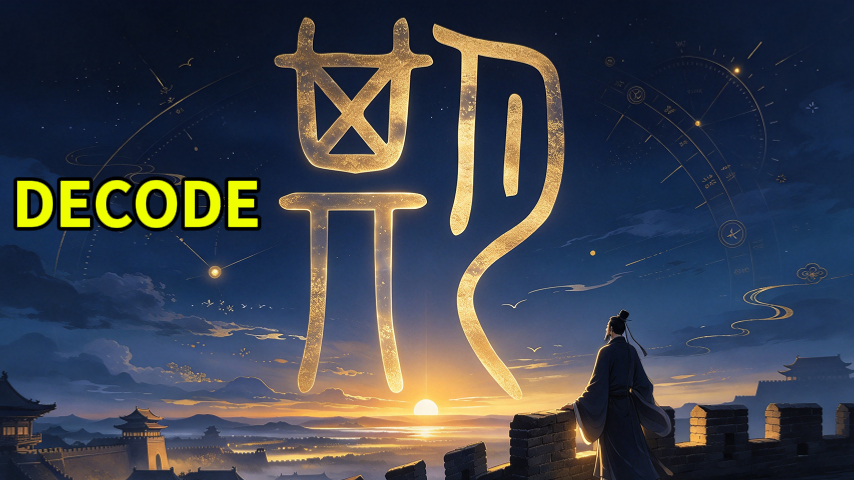
Today, we’re going to decode a Chinese character that appears in some surprisingly different words: 期 — qī.
Continue reading “Decoding 期: The Character That Gives Time a Structure”偏偏: The Chinese Word English Can’t Translate
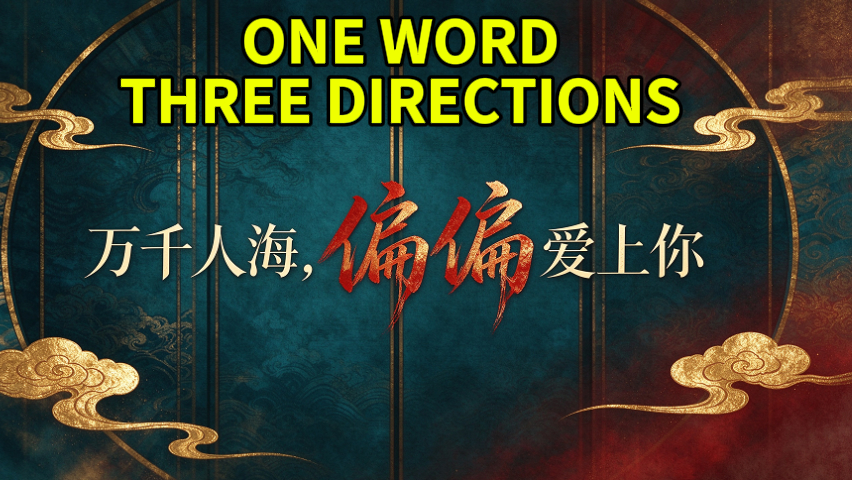
Think of three very common situations.
You spend a whole week planning a picnic, and just as you’re about to leave, it starts pouring.
Continue reading “偏偏: The Chinese Word English Can’t Translate”The Real Reasons Chinese Is So Difficult — Nobody Tells You This
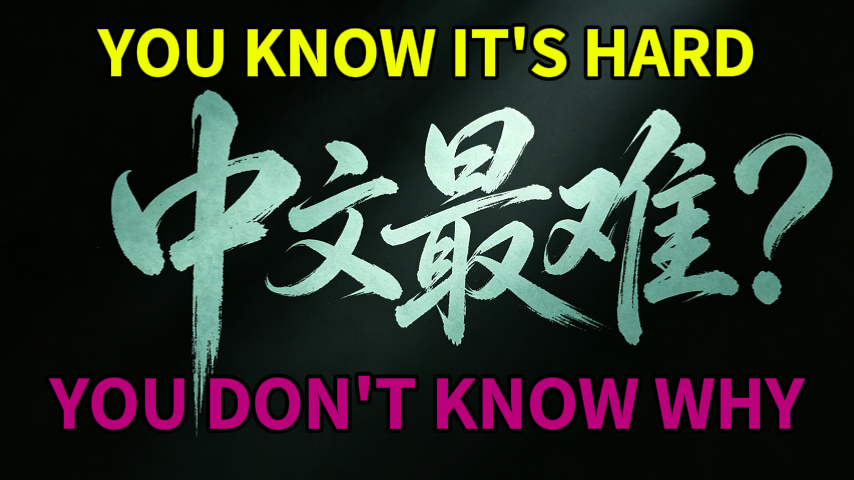
If you’re learning Chinese, thinking about starting, or simply curious about the language, you’ve probably heard this before:
Continue reading “The Real Reasons Chinese Is So Difficult — Nobody Tells You This”4 Hidden Logics Behind Chinese Radicals You May Not Know
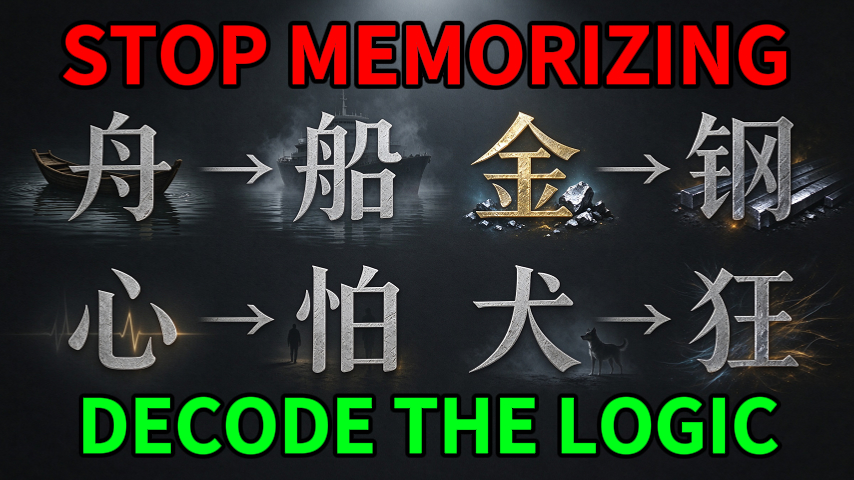
Chinese characters often give you two clues at once. One part suggests the sound. Another suggests the meaning.
Continue reading “4 Hidden Logics Behind Chinese Radicals You May Not Know”How an Elephant Shaped Chinese Thinking
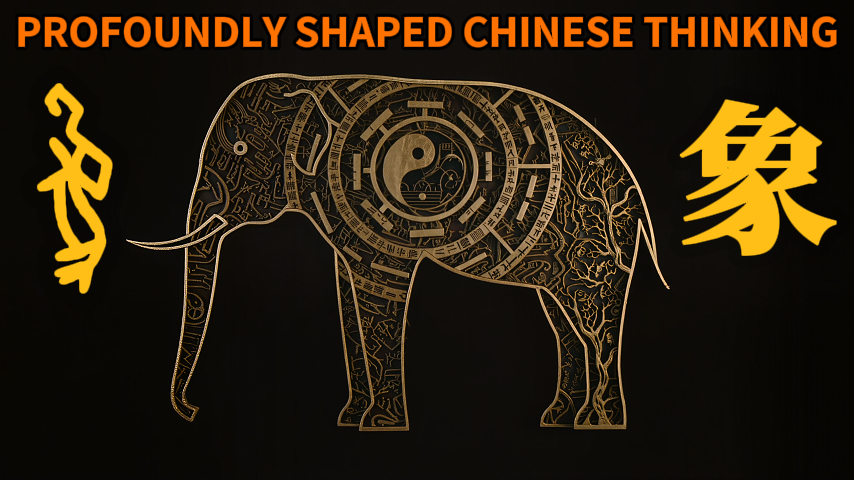
When you hear the word “elephant,” you probably picture an animal: huge, long-trunked, with tusks.
Continue reading “How an Elephant Shaped Chinese Thinking”